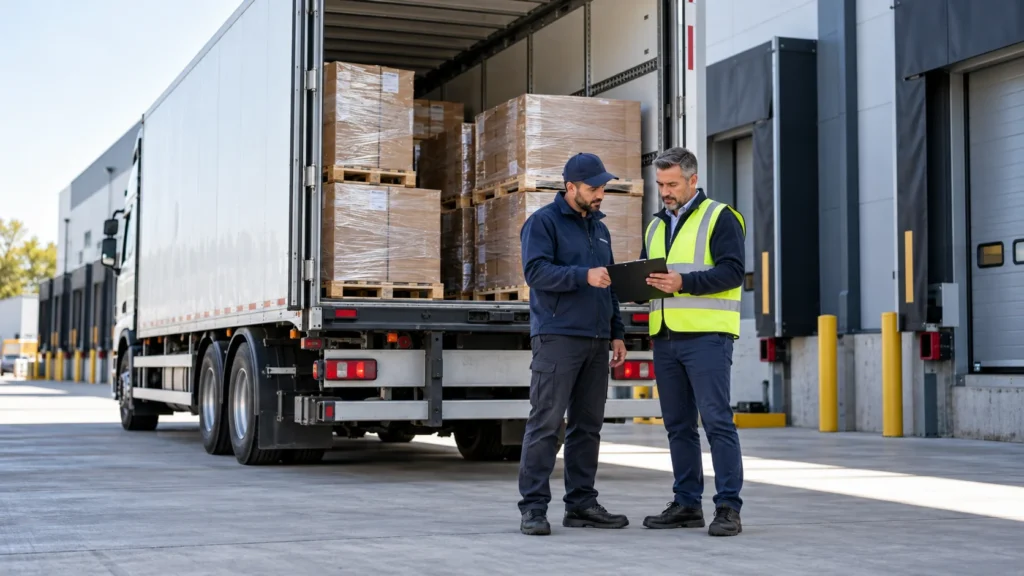
FTL OR LTL ROAD FREIGHT
Choose the vehicle space
your shipment needs.
Full truckload and less-than-truckload transport suit different load sizes and timing needs. Compare the same pickup and delivery addresses, loading conditions and service window. A vehicle choice should account for access as well as cargo volume.
FTL / DEDICATED VEHICLE
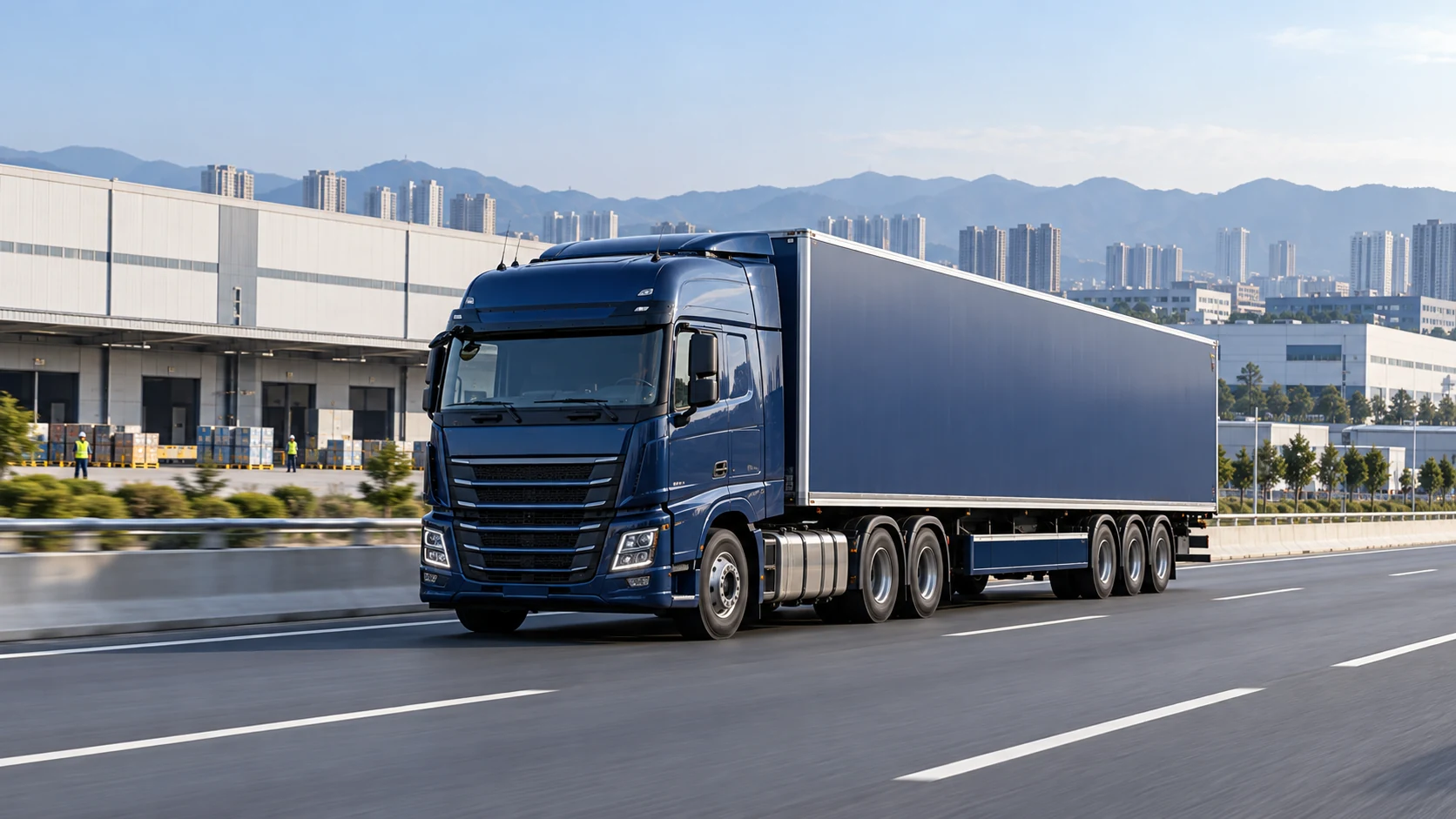
Full truckload transport
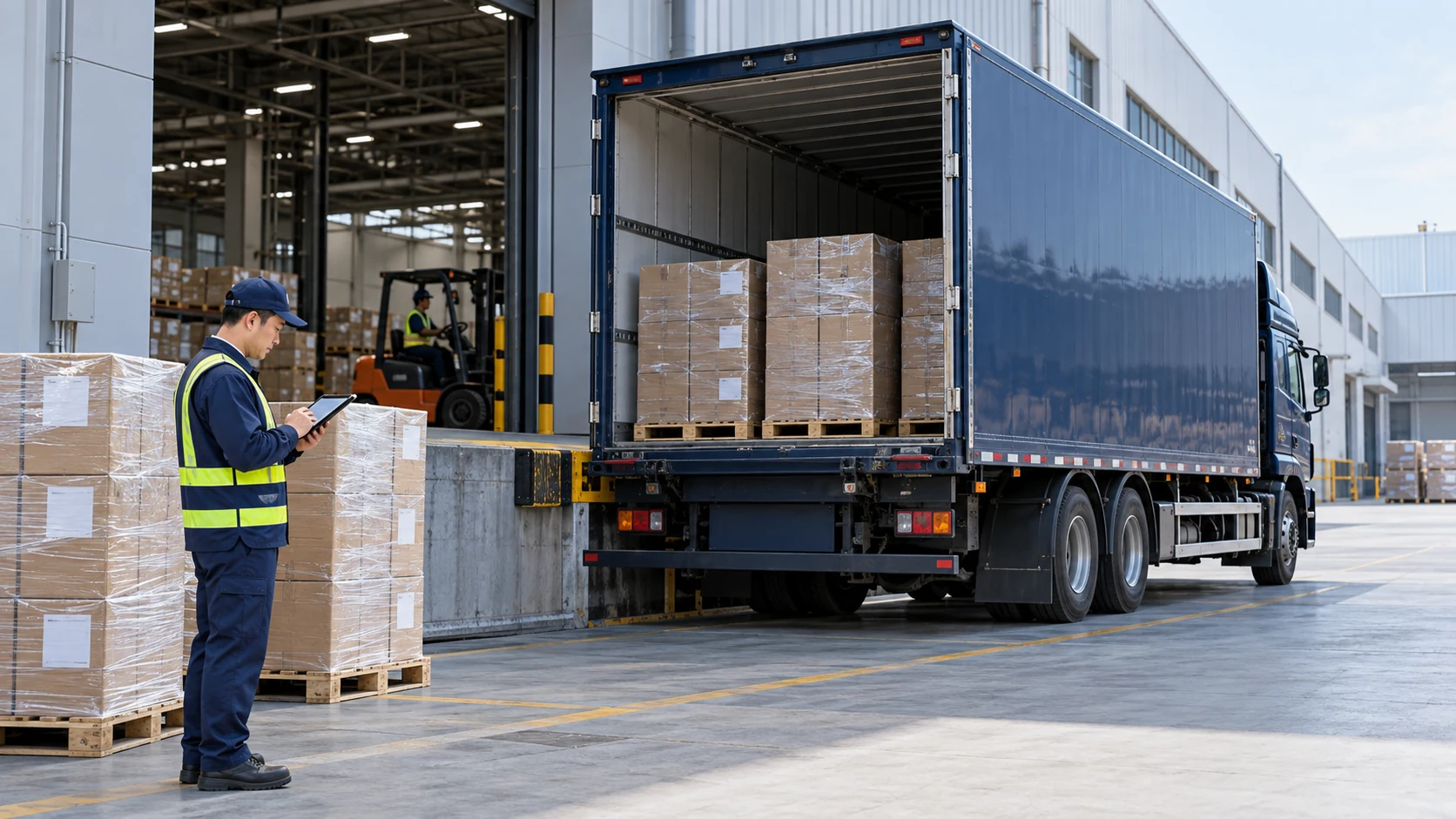
Review a vehicle allocated to your shipment. Suitable vehicle type, legal payload, loading access and the collection window must be confirmed.
- Vehicle space
- Vehicle allocated to the booked load
- Useful for
- Larger loads or dedicated vehicle requirements
- Loading
- Check dock access, equipment and restraint
- Quote basis
- Route, vehicle and agreed handling scope
- Confirm first
- Cargo fit and access at both addresses
Discuss FTL trucking↗
LTL / SHARED ROAD FREIGHT
Less-than-truckload transport
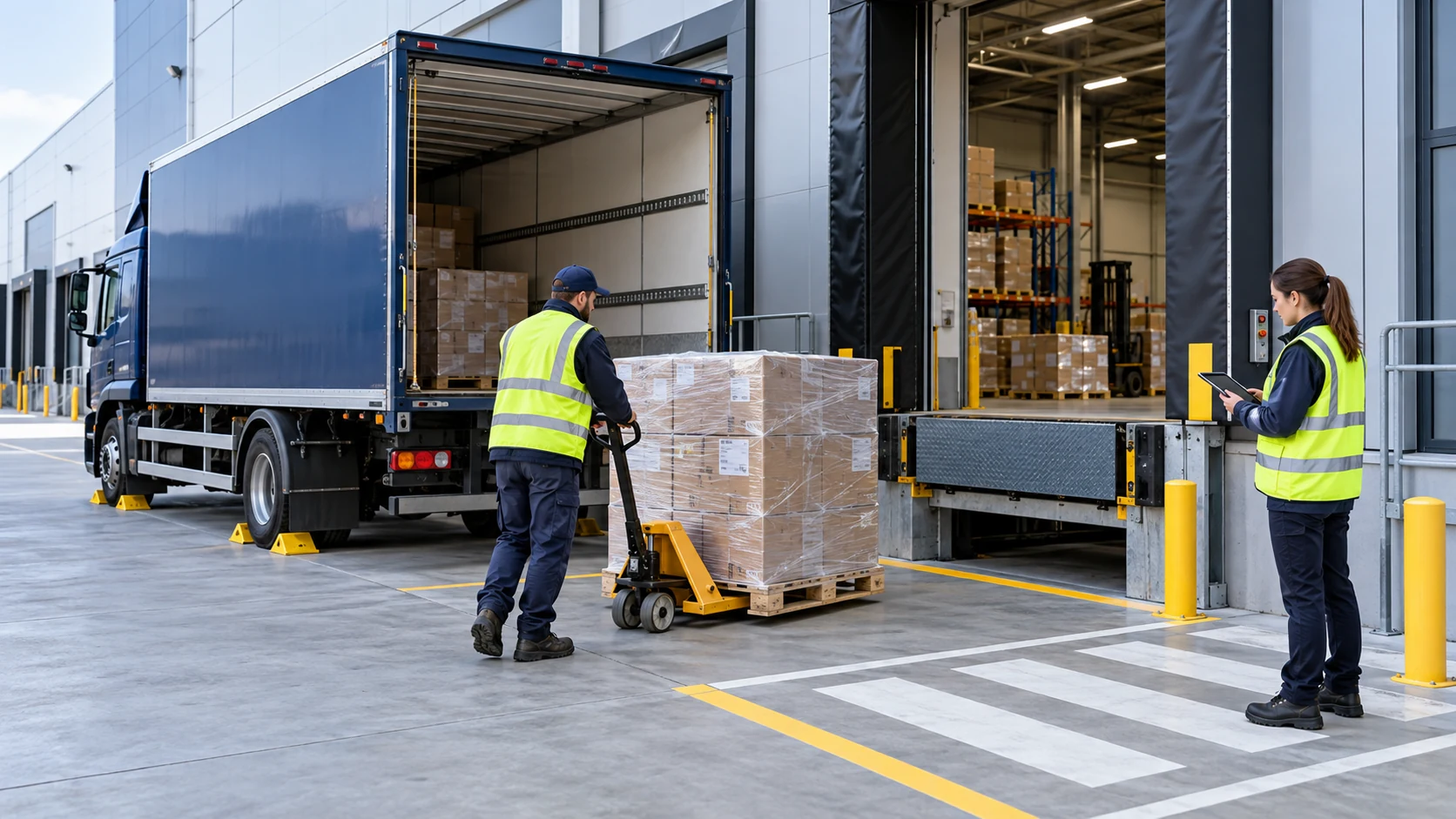
Use shared vehicle capacity for suitable smaller loads. Review terminal transfers, consolidation handling and the delivery sequence.
- Vehicle space
- Shared capacity with other consignments
- Useful for
- Smaller pallet or carton shipments
- Loading
- Packing and handling suitable for transfers
- Quote basis
- Applicable weight, volume or space basis
- Confirm first
- Pickup window and receiving schedule
Discuss LTL road freight↗
FTL and LTL availability depends on the route, cargo and vehicle requirements. Confirm equipment, loading responsibilities and included waiting time in the quote.
TRUCKING DELIVERY PLANNING
Plan pickup and receiving,
as well as road transit.
Pickup and delivery estimates depend on cargo readiness, the booked vehicle, road conditions and receiving access. Cross-border movements require a separate review of border procedures and route availability.