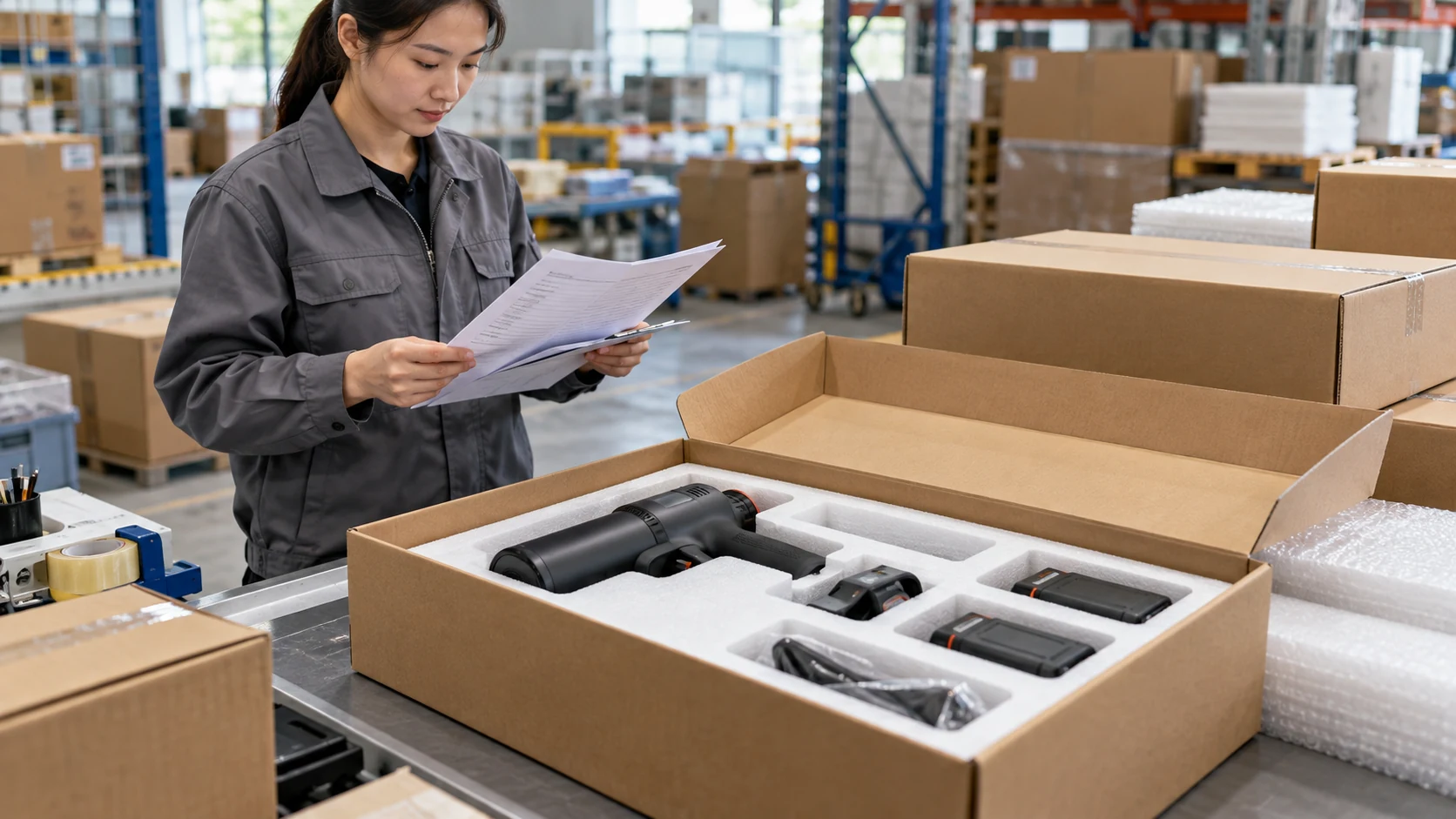
Which dimensions are needed for machinery shipping?
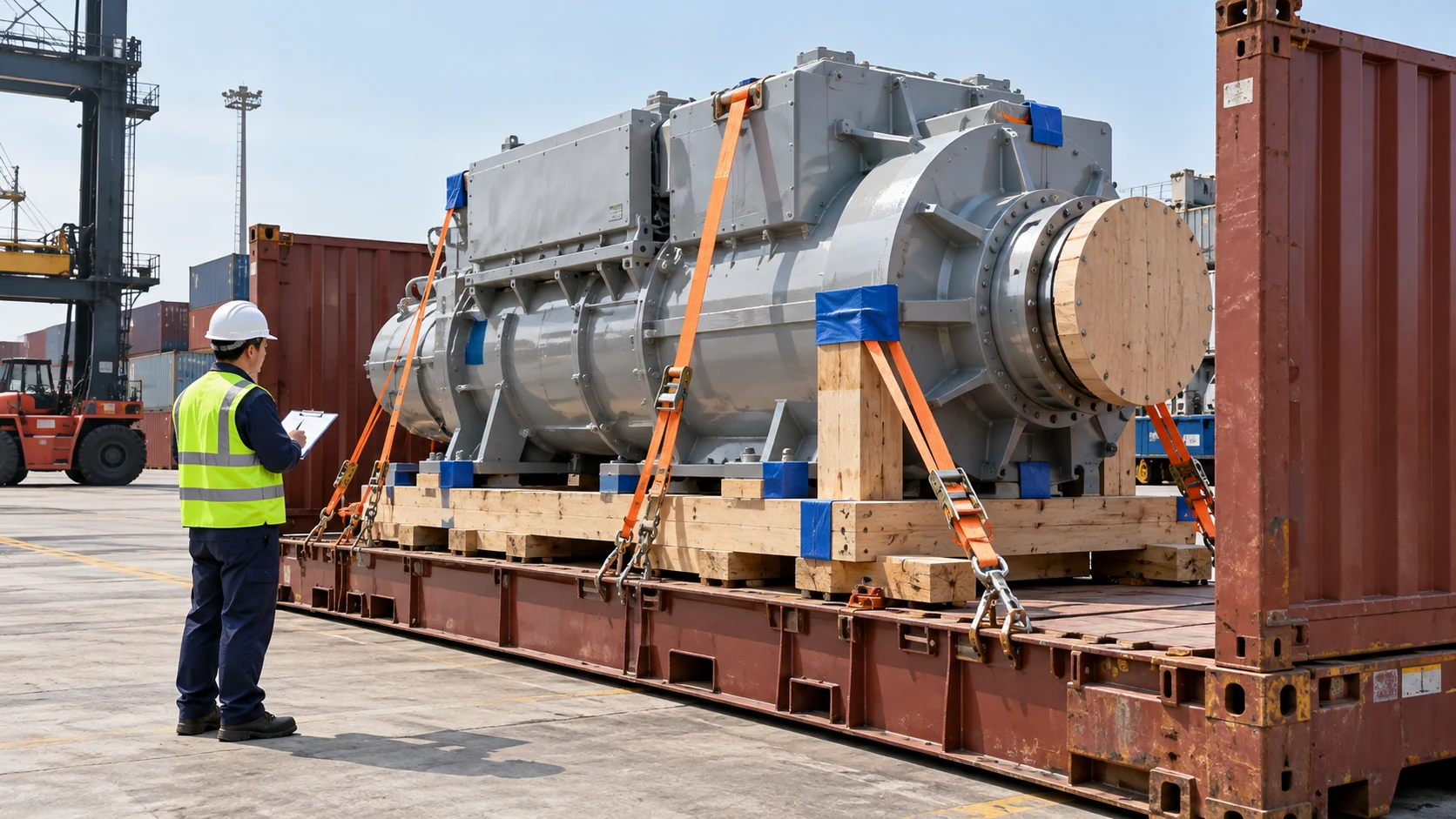
Provide the outside measurements of the completed shipping package, including its skid, crate or frame. Record gross weight and package count. Add drawings and photographs that show protrusions, attachments and the handling configuration. Update the transport provider if packing changes after an initial freight discussion.
Can machinery always use a standard container?
Equipment suitability depends on the final packed dimensions, weight, handling method and loading access. The relevant provider must review the actual unit before confirming an arrangement. A product catalogue or estimated machine size is insufficient to establish container or other transport equipment suitability.
Who confirms lifting and securing requirements?
The appropriate qualified providers should review the manufacturer information, package design and proposed handling method. Identify lifting points, available equipment and the personnel responsible at origin and destination. Freight coordination should retain those approval points rather than treating a transport booking as a technical lifting plan.
What must the destination site prepare?
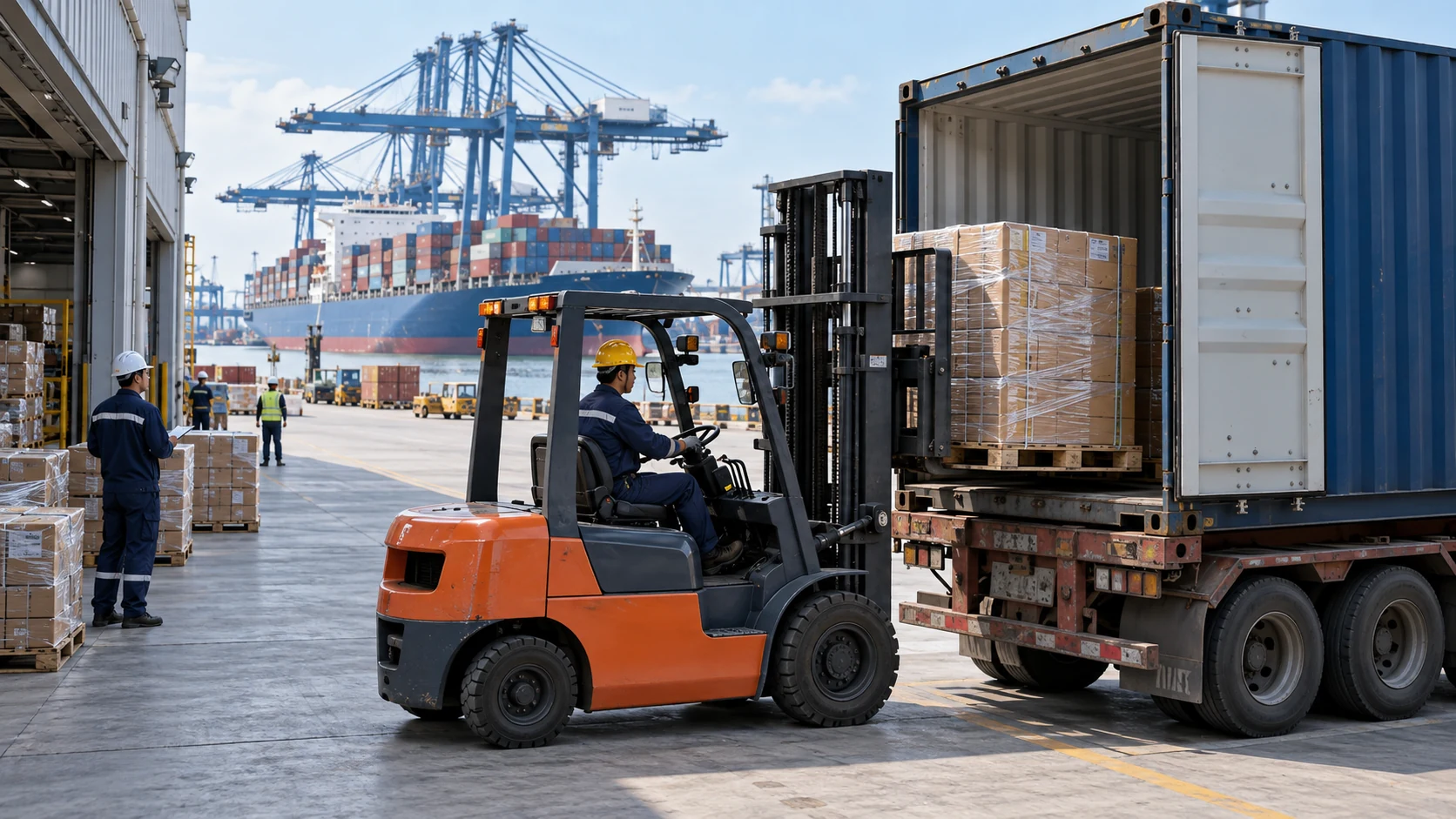
Confirm access for the proposed vehicle, delivery hours, unloading space and suitable equipment and personnel. Identify a site contact who can approve arrangements and answer questions. Review these conditions before dispatch so any specialist delivery or unloading work can be included or clearly separated from the transport scope.
Can spare parts and a machine travel together?
Supply a package-level list with product references, sizes and weights. Review packing protection and any requirements for separate handling. Keep the machine and accessory records identifiable through collection and receiving. Combining packages should follow the approved cargo and loading plan, not an assumption that all order components are interchangeable.
Is installation included with machinery freight?
Installation, commissioning, technical checks and product acceptance are separate from freight coordination unless explicitly agreed. Identify the specialist responsible for those tasks and the site requirements they impose. The shipping quotation should make clear where the transport handover ends and which unloading or technical activities are outside the scope.