NVOCC: GD20260828163235  ✉  info@vgshipping.com English
VG Shipping

Search the site

We usually reply within one business day.

BY BUSINESS NEED / REVERSE LOGISTICS

Reverse logistics for returned goods.
Decide the next step before dispatch.

Connect return authorisation, product condition and an approved handling plan. Review inspection, repair coordination and resale preparation as distinct decisions within the return brief.
Discuss returns and reverse logistics

RETURNS AND REVERSE LOGISTICS

A return needs a destination and a disposition decision.

Reverse logistics starts before goods are sent back. Identify the owner, original order references, current location and reason for return. Record the product condition and the decision still needed. VG Shipping reviews the return transport and handling coordination scope for the actual goods. Inspection, repair, repacking and resale preparation have different requirements and approval points. The product owner should authorise the next action after reviewing the available evidence and costs. Returned products are not automatically suitable for transport, repair or resale.

POINTS TO RESOLVE BEFORE DISPATCH

Prepare the details for
returns and reverse logistics.

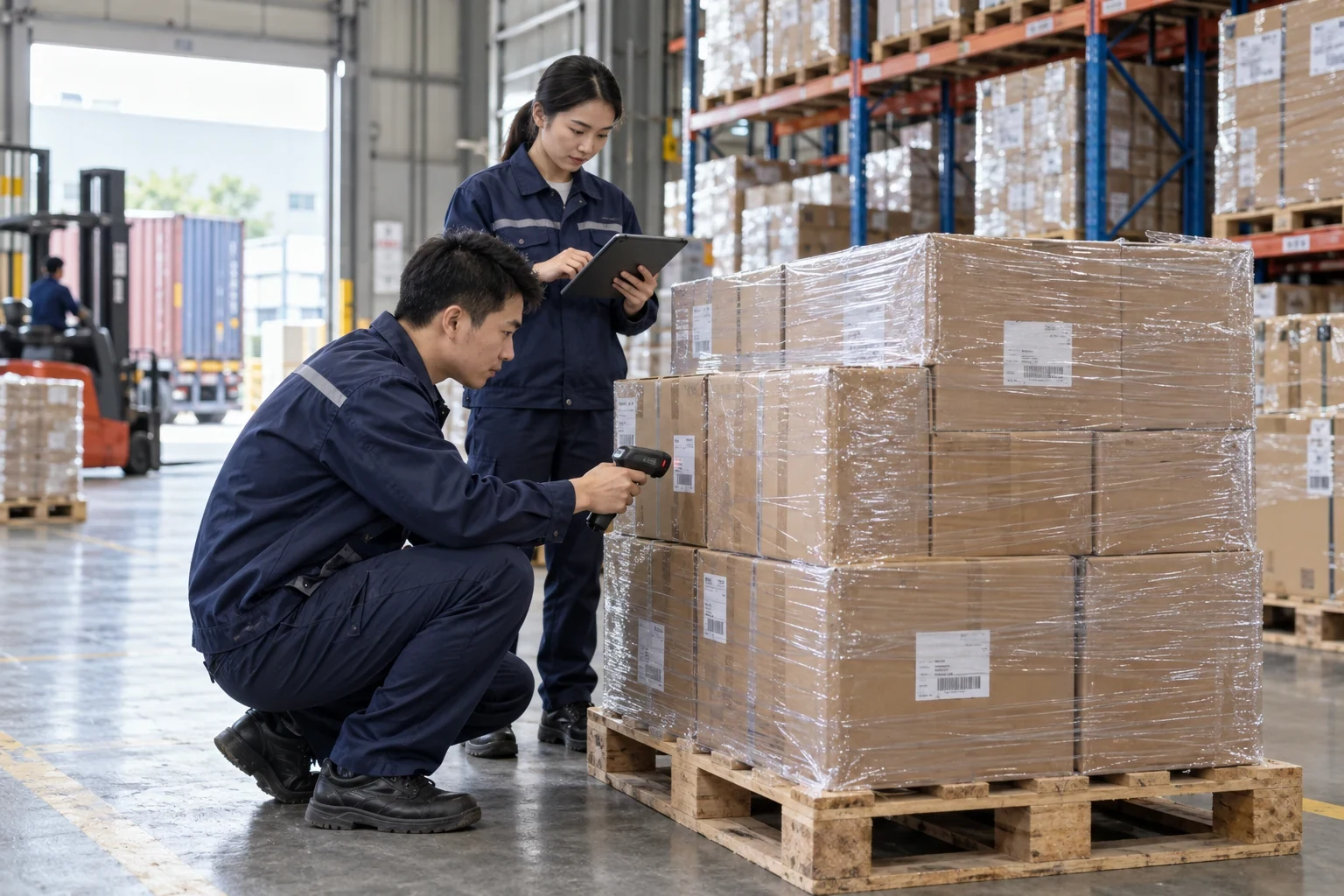
Returned cartons being checked and recorded at a receiving area

01 / PREPARATION

Returned goods have incomplete references

Match the return to the original order, product model and quantity. Keep serial or batch references where used. A receiving team needs a clear record to distinguish each return and report missing or mismatched items.

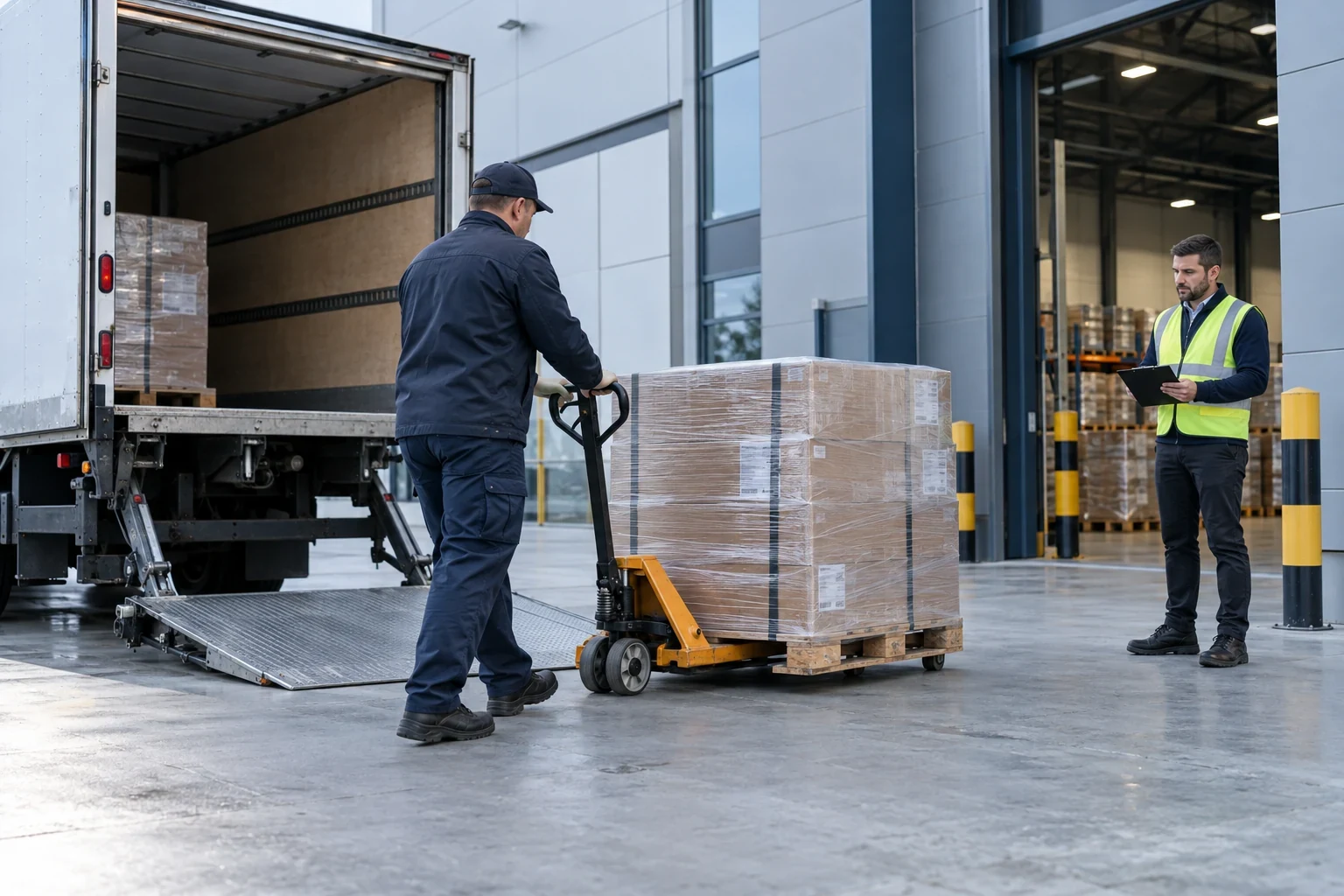
Staff reviewing a product and supporting documents before export

02 / PREPARATION

Condition is uncertain before collection

Provide photographs and disclose defects, damage or other known concerns. Product condition can affect handling and acceptance. Ask the appropriate provider to review suitability before the return is collected or combined with other goods.

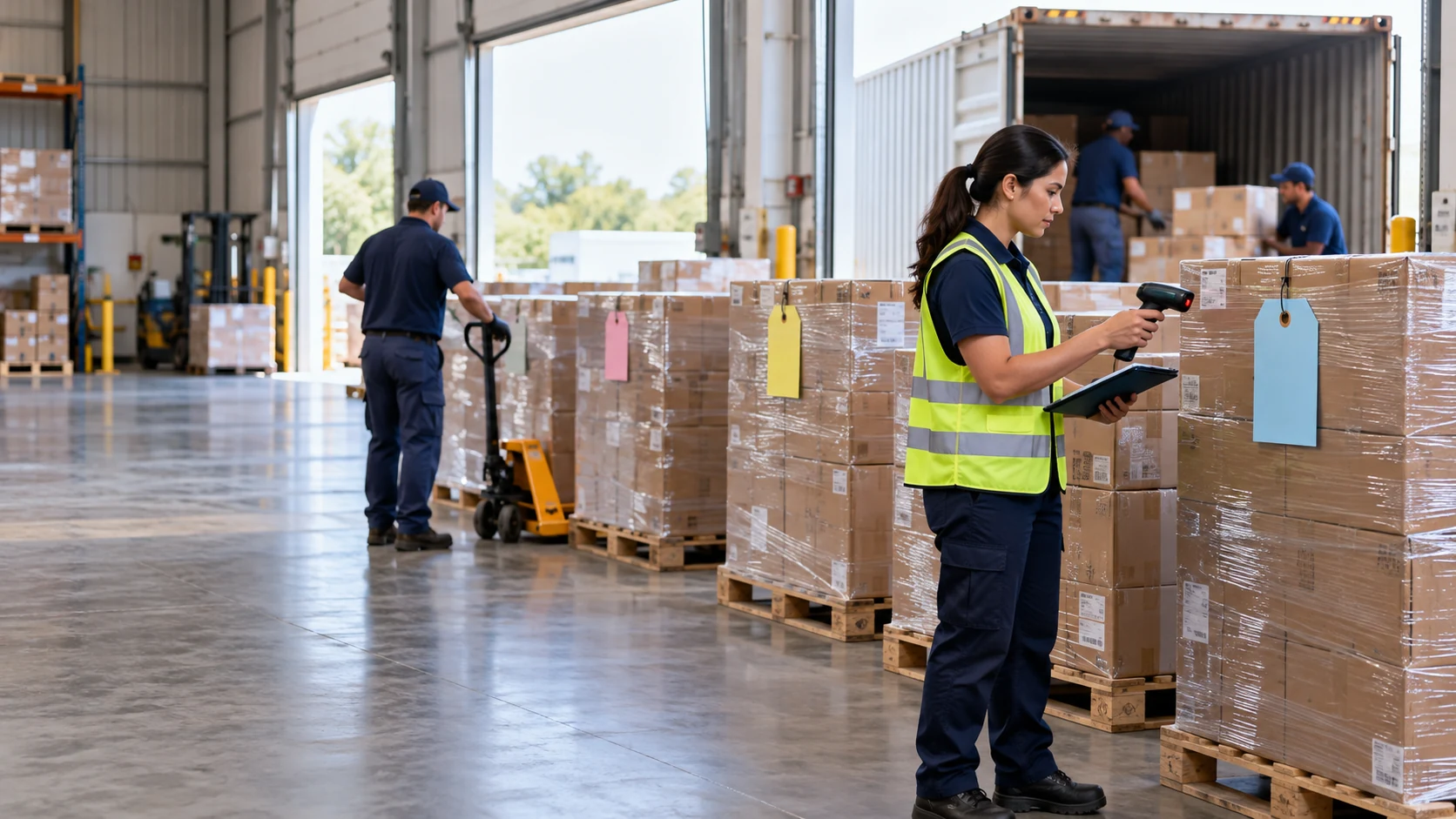
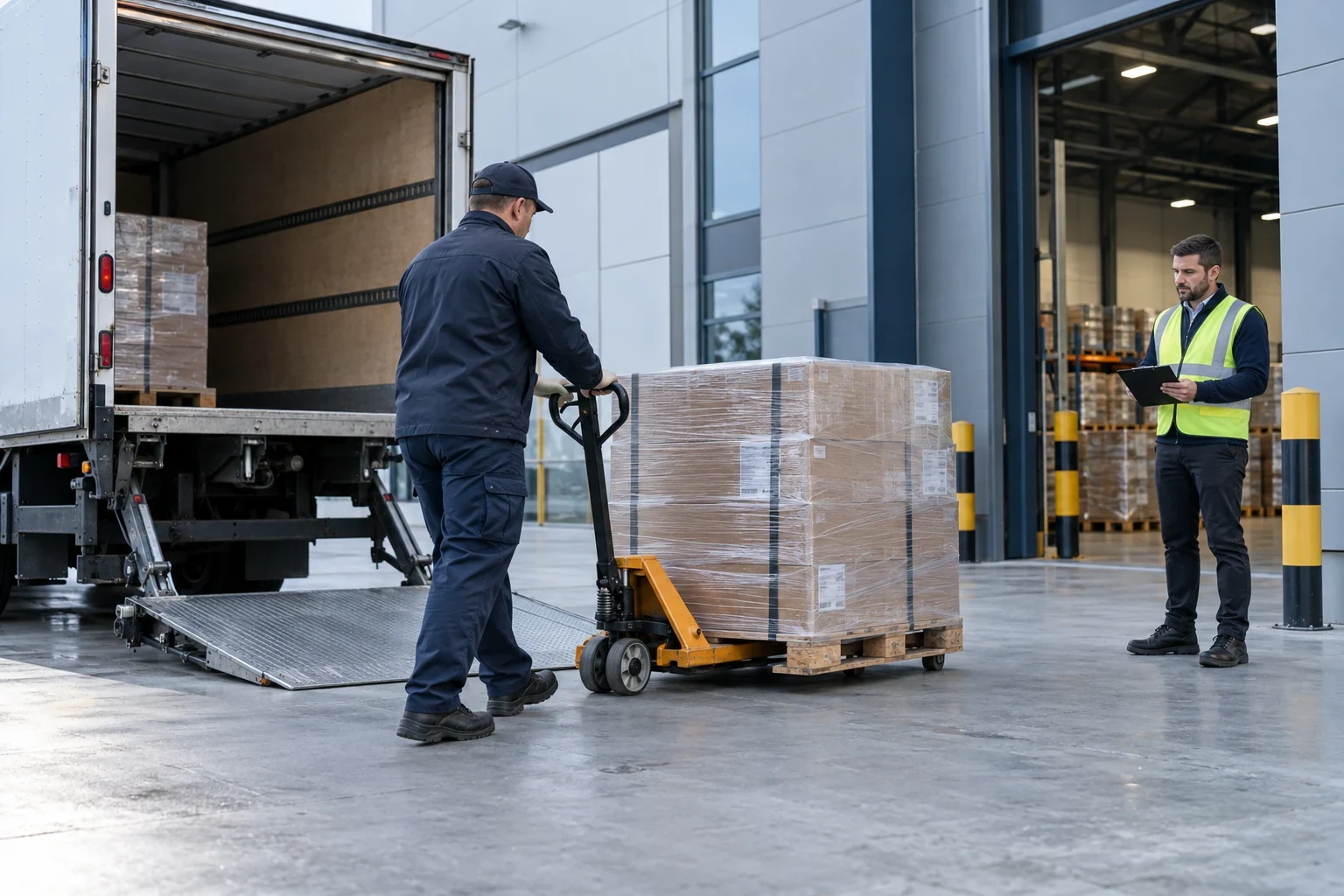
Warehouse team checking palletised general cargo

03 / PREPARATION

Repair or resale is assumed without approval

Define the inspection evidence and who decides the disposition. A return receiving record does not authorise repair or establish resale eligibility. Obtain the owner instruction and approve the work before additional handling begins.

DEFINE THE HANDOVERS

The returns and reverse logistics
workflow.

01

Register the return

Provide ownership, authorisation and original order references. Record the current location, quantities, condition and reason for return.

02

Review transport and receiving

Check cargo suitability and proposed destination. Agree package identification, arrival checks and the records required for discrepancies.

03

Obtain the disposition decision

Present the agreed inspection findings or condition evidence to the authorised owner. Keep repair, repacking or resale instructions as separate approvals.

04

Authorise the next movement

Confirm the completed work, final packing record and onward destination. Review new acceptance or receiving requirements before another shipment is arranged.

COMPARE THE REQUESTED SCOPE

Choose the scope for
returns and reverse logistics.

Shipment situationWhen to review itApproval or information needed
Return for inspectionThe owner needs agreed condition evidence before deciding the next step.Define the checks, report format and limits of the receiving or inspection work.
Repair coordinationAn appropriate specialist is asked to review a repairable product.Approve the technical scope, charges and product-release criteria separately from transport.
Resale preparation reviewThe owner is considering an onward commercial route for returned stock.Confirm product condition, eligibility and owner instructions; preparation does not guarantee a sale.

CONNECTED TRANSPORT AND SUPPORT

Review suitable options for
returns and reverse logistics.

Returned cartons being checked and recorded at a receiving area

Cross-border return coordination

Review the current location, product condition, return references and destination before arranging transport. Confirm cargo acceptance and the appropriate document responsibilities for the actual return.

Review return services
Staff reviewing a product and supporting documents before export

Inspection and repair review

Define the evidence required and the specialist work proposed. Keep the product owner approval for technical work and disposition separate from collection or routine package receiving.

Discuss the return brief

COST AND WORK BOUNDARIES

What affects the
returns and reverse logistics scope.

01

Return collection and acceptance

Current location, condition, packing and route suitability affect the proposed return movement.

02

Receiving and approved handling

Storage, inspection, repair coordination and repacking need a defined task and approval basis.

03

Onward disposition

The final destination, packing and owner decision determine which onward transport work can be reviewed.

PREPARE A SHIPMENT-SPECIFIC BRIEF

The records needed for
returns and reverse logistics.

01

Ownership and return references

Provide authorisation, original order details, product model and any serial or batch records.

02

Product condition

Send photographs and disclose defects, damage, batteries or other characteristics requiring review.

03

Requested handling decision

State whether the goods need receiving checks, inspection, repair review or resale preparation.

04

Owner approval and onward address

Name the person who approves charges and disposition and identify the intended next receiving point.

KEEP THE APPROVAL POINT CLEAR

Keep the owner approval attached to the returned goods.

Returned inventory can stay on hold while a disposition is being reviewed. Agree storage terms and the reporting process in advance. Specialist repair, treatment or disposal requires its own reviewed scope and appropriate provider. Transport coordination alone should not authorise an irreversible handling decision.

Review the connected guidance
Returned cartons being checked and recorded at a receiving area

RELATED SERVICE

A service supporting
returns and reverse logistics.

RETURNS AND REVERSE LOGISTICS QUESTIONS

Questions about
returns and reverse logistics.

Review the product information, work boundaries and approval points for the actual shipment.

Discuss returns and reverse logistics
What information is needed for a reverse logistics enquiry?

Provide the current cargo location, owner and return authorisation, original order references, quantities and product condition. Add photographs and the intended receiving destination. Explain whether inspection, repair review, repacking or resale preparation is being considered and identify the person who can approve the next action.

Can every returned product be transported or repaired?

Suitability depends on the actual product, condition and proposed work or route. Declare damage and special features before collection. The appropriate providers must review acceptance and any technical repair scope. A return instruction does not establish that standard freight or a repair service is available for every item.

Does receiving returned goods include a full inspection?

Agree which counts, references and visible-condition checks are included at arrival. A product-level inspection requires its own criteria, scope and evidence. Name the owner contact who reviews findings and approves further work. Routine package receiving should not be described as a complete technical or quality assessment.

Can returns from different orders be consolidated?

Prepare a receiving list that keeps each return and owner reference traceable. Review compatibility, condition and package protection before combining cargo. Agree shortage and exception records and the release decision. Different dispositions or destinations may need separate handling instructions even when the goods share one physical movement.

Does resale preparation guarantee the goods will sell?

Preparation does not establish market demand, product eligibility or a sale. The owner must approve the intended commercial route and the evidence needed for product condition. Define any inspection, repacking or documentation task separately. Review the proposed transport only after the relevant disposition and receiving decisions are clear.

What happens if the owner has not approved the next step?

Keep the goods under the agreed hold and storage instructions while the owner reviews the evidence and costs. Identify a response deadline and authorised contact. Additional repair, treatment, disposal or onward shipment should follow an explicit reviewed scope and owner approval rather than an assumption made during receiving.

RETURNS AND REVERSE LOGISTICS ENQUIRY

Discuss your
returns and reverse logistics requirements.

Provide authorisation, original order details, product model and any serial or batch records. Send photographs and disclose defects, damage, batteries or other characteristics requiring review. State whether the goods need receiving checks, inspection, repair review or resale preparation. Name the person who approves charges and disposition and identify the intended next receiving point.

Identify any information that is still an estimate or awaiting approval. The proposed work, cargo acceptance and quotation basis must be confirmed for the actual order before dispatch.

Sending an enquiry does not confirm a booking, fixed charge or delivery date. The parties must approve the actual service scope and responsibilities.