
01 / Suppliers ready at different times
Suppliers ready at different times
One order is packed; another is still in production. Define collection and release rules before storing early arrivals.
BY SUPPLY CHAIN / ECOMMERCE FULFILLMENT
ECOMMERCE FULFILLMENT
You need the supplier orders, packed cargo and final destination to tell the same story. Freight forwarding for importers connects China-side collection and handling with the selected transport and delivery scope. VG Shipping reviews coordination gaps across suppliers, shipment timing and receiving requirements—without assuming sourcing, inspections, storage or every destination charge is automatically included.
COMMON PRESSURES
01 / Suppliers ready at different times
One order is packed; another is still in production. Define collection and release rules before storing early arrivals.

02 / Several quotes, different scopes
A low freight figure may not include the same collection, handling or delivery tasks. Compare written inclusions and exclusions.

03 / Inventory needs a delivery plan
Wholesale replenishment involves warehouse receiving and sales priorities—not just arrival at a port or airport.
A CONNECTED SHIPMENT
Record each supplier location, packed cargo details and ready date.
Agree collection, receiving, storage and release decisions before combining orders.
Compare suitable ocean or air freight using confirmed cargo and timing.
Define the address, receiving requirements and agreed responsibility scope.
CONSOLIDATION PATTERNS
| Shipment pattern | When it works | What to confirm |
|---|---|---|
| Consolidated supplier orders | Several orders can meet a workable collection and shipping window. | Storage, handling, ready dates, cargo compatibility and release approval. |
| Staged shipment release | Some stock is needed earlier than the rest of the purchase. | Separate shipment costs, receiving plan and what remains in storage. |
| Recurring replenishment | You have repeat wholesale orders and changing stock requirements. | Order forecast, supplier lead times, cargo updates and each booking decision. |
OCEAN & AIR FREIGHT
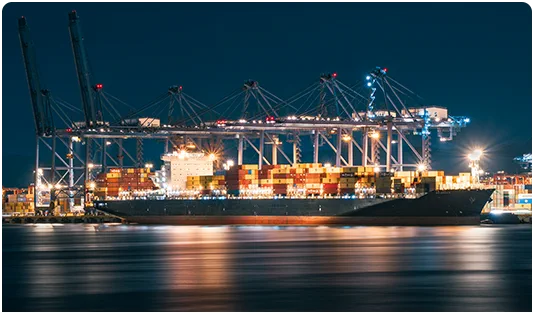
Discuss FCL shipping from China for dedicated container space or LCL shipping from China for shared space. Compare equipment, consolidation handling and the complete charge scope.
Explore freight options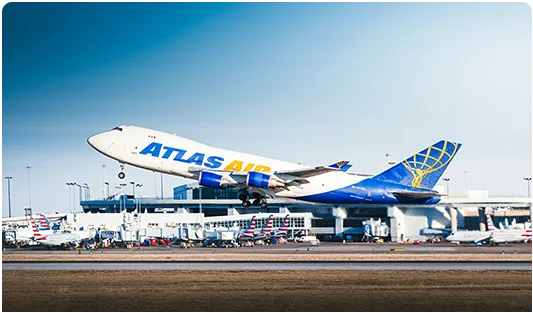
Review air freight for suitable time-sensitive stock or a staged release. Compare acceptance, chargeable weight, handling and delivery assumptions.
Explore freight optionsWHAT SHAPES THE COST
Supplier pickup, receiving, consolidation, storage, packing work and documentation can change the initial scope.
Confirm mode, cargo measurements, weight, equipment and applicable booking conditions.
Ask how destination handling, clearance support, delivery and excluded charges are treated.
THE DETAILS THAT MATTER
Pickup cities, contacts, order references, ready dates and existing collection arrangements.
Descriptions, cartons or pallets, package dimensions and gross weight. Declare batteries or special handling early.
Country, city, port or final address; receiving hours, unloading and appointment requirements.
Delivery priority, consolidated or staged release, requested scope and who approves changes.
HONG KONG OPERATIONS
Our own Hong Kong fleet and warehouse can support collection, storage and onward transport when the route and scope fit.

RELATED SERVICES

Compare ocean, air and connected handling after confirming packed-cargo and delivery needs.
Explore international freightRELATED SOLUTIONS
01 / General Cargo
Plan standard commercial shipments around accurate product and packing information.
02 / Battery & Electrified Cargo
Declare batteries early so documents, acceptance and routing can be reviewed.
03 / Sensitive & Regulated Cargo
Identify restrictions before collection or booking.
BLOG INSIGHTS
FREQUENTLY ASKED QUESTIONS
Find a clear starting answer, then confirm the right scope for your shipment.
Provide the packed length, width, height and gross weight for each piece. Add photographs, packing plans and known lifting or loading requirements. Describe the collection and receiving-site access. These details support an equipment and handling review; lifting arrangements require an agreed specialist scope.
Compare the same cargo, readiness date, addresses and delivery point. Check collection, origin handling, consolidation, documentation, freight and destination work line by line. Ask which charges are conditional and how changes will be approved. A lower headline freight amount may describe a smaller scope.
Identify the product, battery type and how the batteries are packed with or within the equipment. Share the product specifications, photographs and any transport documents already available. The team can then discuss the review needed for the proposed route. Do not assume the same acceptance conditions apply to every battery product.
Explain the product composition, use and any special characteristics such as liquids, powders or branding. Supply available technical or product documents and the intended destination. Requirements differ by goods and route, so the information should be reviewed before collection or a freight commitment is made.
Product characteristics and packaging influence which routes and carriers can be considered. Packed size, weight, readiness and the delivery deadline also matter. Review the complete pickup-to-receiving scope rather than selecting a mode on the product name or a generic advertised transit time alone.
A category helps organise the enquiry. It does not replace product and carrier review. The actual goods, packing, supporting documents and route must be assessed before a booking is accepted. Share product photographs and specifications early, especially if the invoice description is broad.
LET’S PLAN YOUR NEXT SHIPMENT
Tell us what you are moving, where it needs to go and when. We will help identify the service scope and shipping options to discuss.
Not sure which shipping mode to choose?
Select “Help me choose” and start with your cargo details.